
Top 3 Reasons for Resignation Before Covid-19. Difficulties faced by HR After Covid-19
We would like to share with you the survey digest from Singapore’s version of “The Great Resignation in 12 Countries” study conducted by the Pasona group in August. It gives an insight into issues in Human Resource Management before and after Covid-19. Click here for Japanese version
<Survey Summary>
Survey countries: Japan, U.S.A., Canada, Hong Kong, Taiwan, Singapore, South Korea, Thailand, Vietnam, Malaysia, Indonesia, India
Valid responses: 821 companies (including 101 in Singapore)
Period: August 5th-16th, 2022
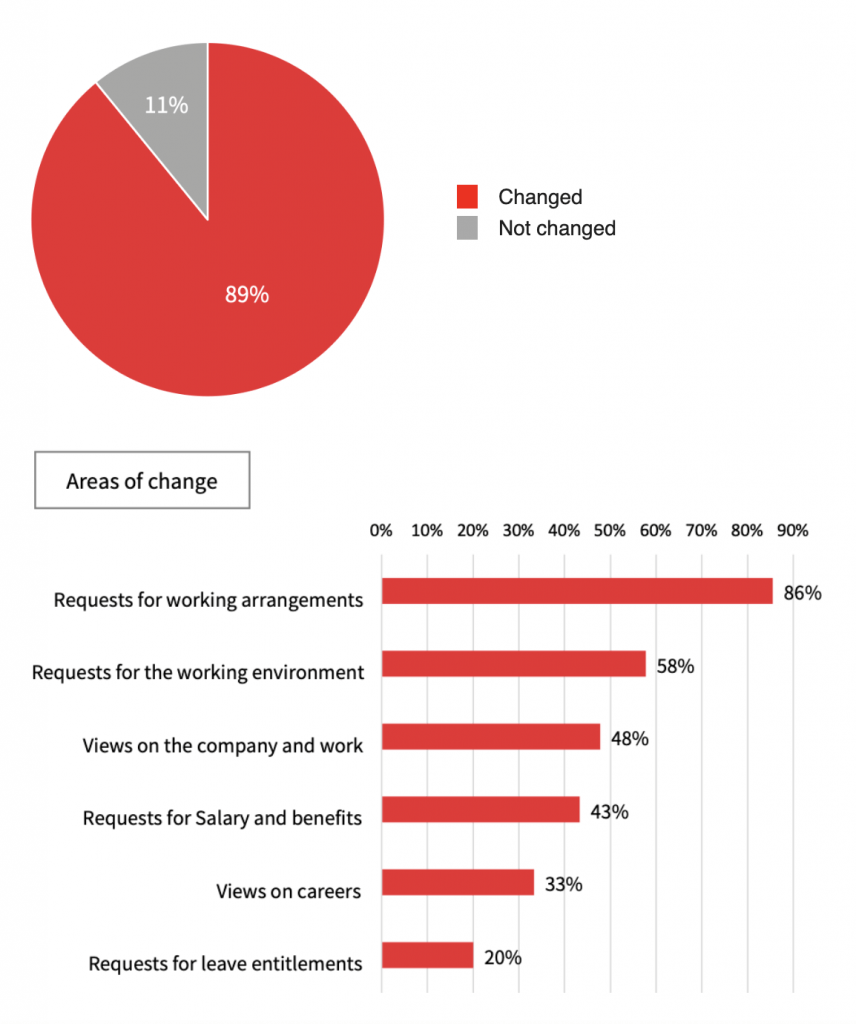
Change in employees’ work values and demands towards the company
Q. Do you think that employees’ work values and their demands and expectations of the company have changed after the COVID-19 pandemic as compared to before?
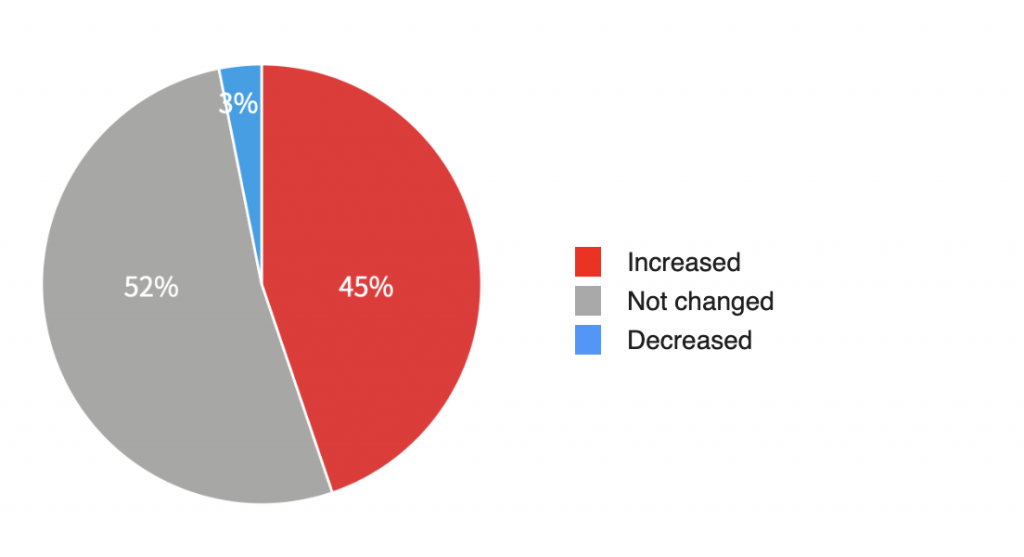
Staff turnover rate as compared to before Covid-19 pandemic
Q. Do you feel that the staff turnover rate has increased or decreased after COVID-19 pandemic as compared to before?
45% of companies reported an increase in turnover rate. In Singapore, this increase was particularly prevalent among junior level employees (those who have been with the company for less than three years).
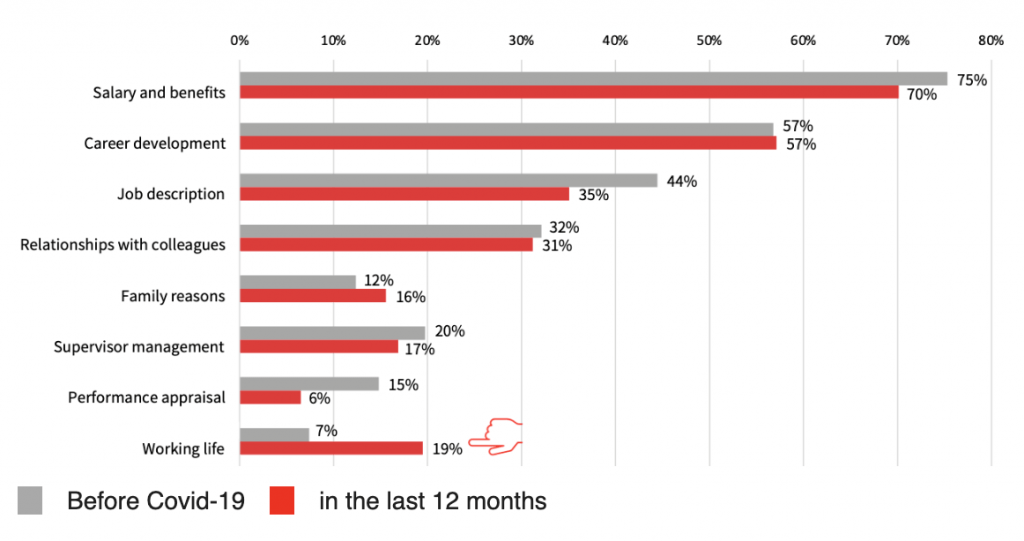
Top 3 reasons for resignation before COVID-19 and in the last 12 months
Q. Please select the top 3 reasons for the resignation before the COVID-19 and in the last 12 months.
Salary and benefits, career development, and job description were found to be the main reasons for resignation before Covid-19, but now working arrangements appear to weigh in as well.
In Singapore, the number of cases of employees leaving due to reasons related to working arrangements increased by 12 points. Companies are now expected to respond more flexibly to diversified ways of working, such as by establishing work-from-home arrangements and introducing flex time.
Difficulties in human resource management after COVID-19 pandemic
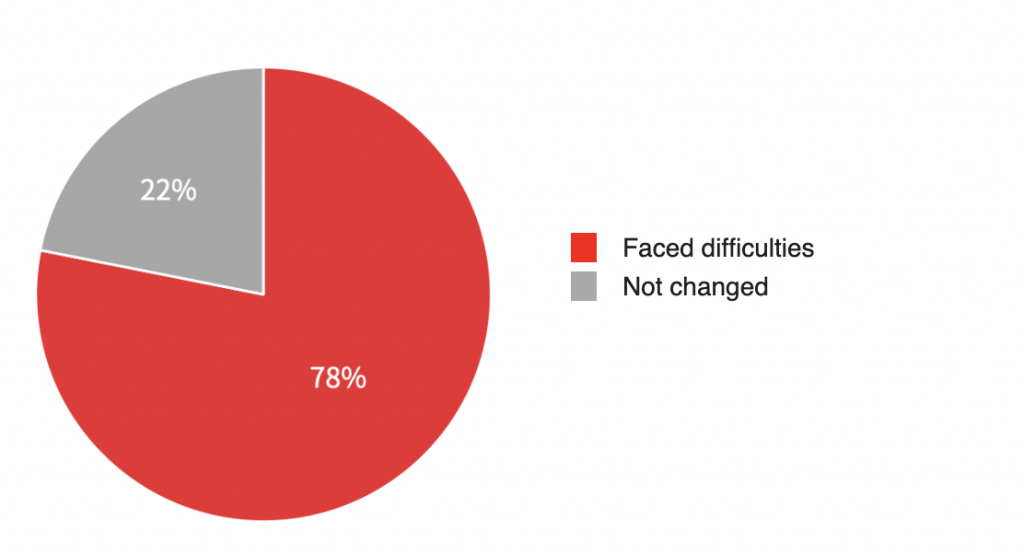
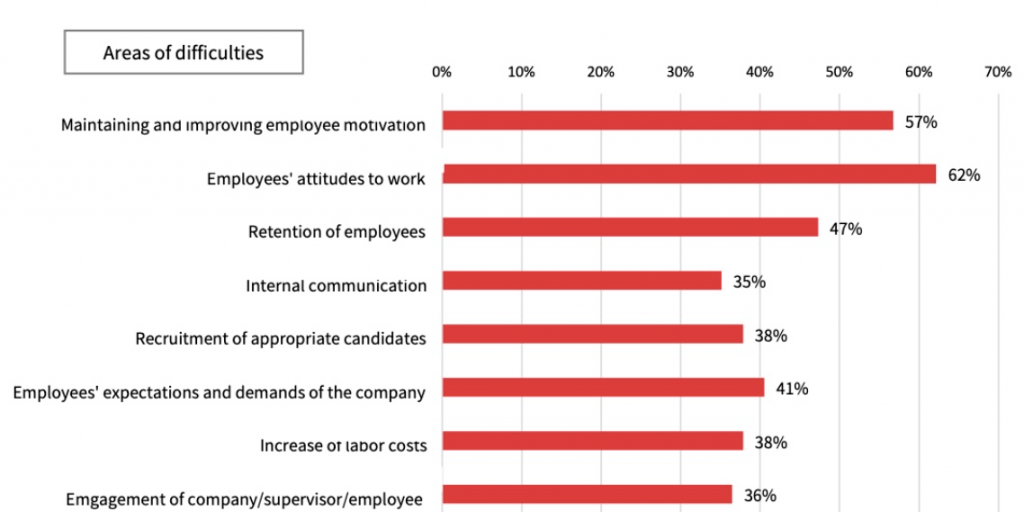
Approximately 80% of the companies that responded felt that human resource management became more difficult after Covid-19, and that the issues prevalent are in the areas of employee attitudes toward work and their working arrangements, and maintaining and improving employee’s motivation.
This change in employees’ values toward work has also impacted their sense of belonging to the company and the retention of talent.
Counter-measures for the Great Resignation
Q. What measures are you considering in face of the Great Resignation?
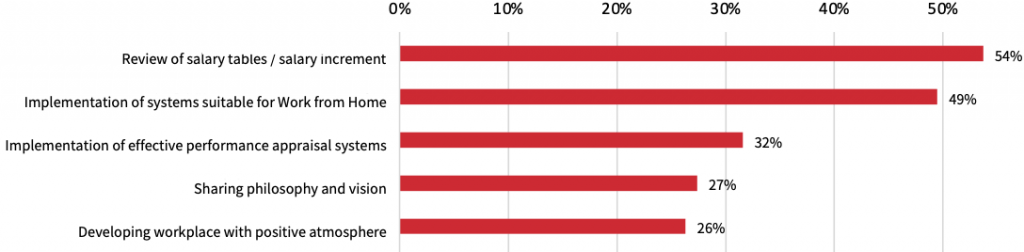
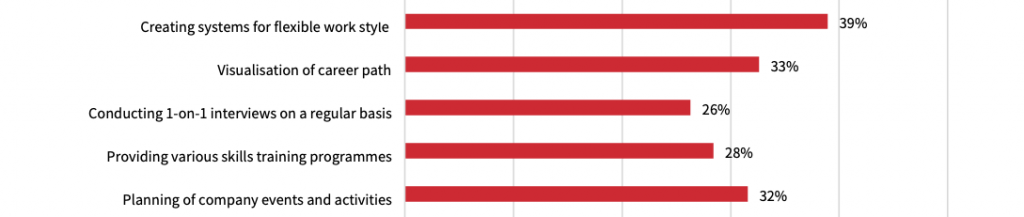
For the counter-measures against the “Great Resignation”, only 7% of respondents in Singapore answered that they are not taking any particular measure, indicating that most companies feel a sense of urgency to implement change in their current human resource management.
The following chart shows how many companies are in fact considering reviewing salary tables and increments, implementing effective performance appraisal systems, and establishing flexible working arrangements such as work-from-home, which will ultimately lead to higher employee satisfaction and engagement.
Final words
This marks the end of this month’s edition of the HRM Newsletter, with the sharing of our study, the “Impact of the Great Resignation on Businesses” survey on companies in Singapore.
If you have any suggestions for surveys you would like to see covered in the future, or if you have any comments about the newsletter, please do not hesitate to contact us!
Disclaimer: Please use the information provided in this newsletter at your own discretion and risk. We are not responsible for any losses incurred by users in relation to the information provided in this email and we seek your understanding.